A smarter way to monitor, verify, and support.
Probation Parole Tracker gives officers real-time visibility while empowering clients to demonstrate accountability — through verified, GPS-stamped mobile check-ins. Based on our decades of experience conducting sex offender polygraphs.
For Parole Officers · Probation Officers · Therapists
A service of Ruiz Protective Service Inc — Sex Offender Polygraphs since day one
The Challenge
The challenge is real.
Overextended Staff
Parole and probation departments are chronically understaffed, making consistent in-person contact nearly impossible.
Limited Visibility
Officers often rely on scheduled visits, leaving large gaps in monitoring between appointments.
Reactive, Not Proactive
Compliance issues are often discovered after the fact — when intervention is already too late.
Introducing PPT
Verified check-ins, anywhere.
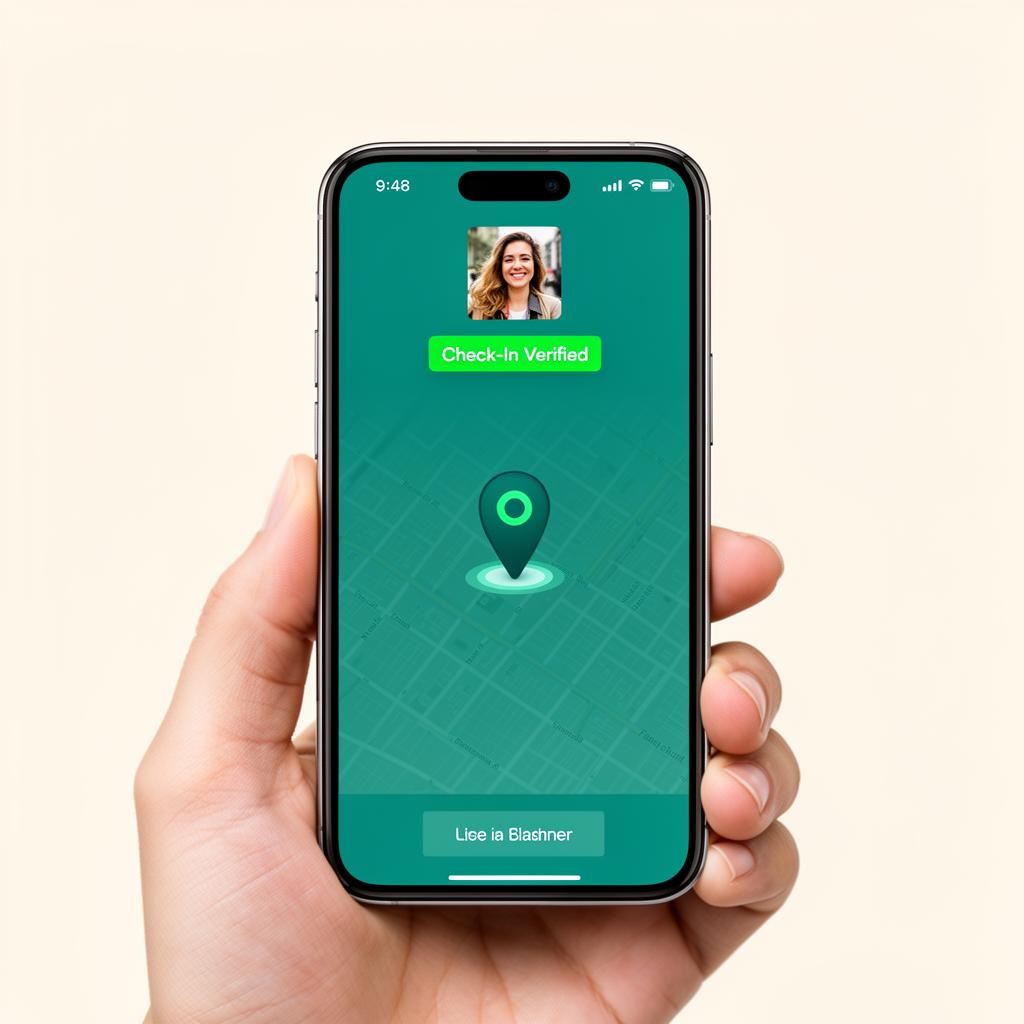
Built by the team behind Ruiz Protective Service Inc — polygraph examiners with decades of experience conducting sex offender polygraphs — Probation Parole Tracker is a mobile app built for verified, real-time check-ins between parolees and their officers. It combines GPS location, photo capture, and identity authentication into a single, seamless check-in process.
Whether triggered voluntarily, on demand, or at scheduled intervals — every check-in creates a documented record that protects both the officer and the client.

How Check-Ins Work
Four steps. Court-ready every time.
Schedule
Officers set scheduled or random check-in windows.
Submit Location
Client checks in with GPS, photo, and identity verification.
Receive Notification
Officer is alerted in real time with the verified record.
Officer Review
Timestamped, geotagged log enters the audit trail.
Every check-in is timestamped, geotagged, and identity-verified — creating a reliable, court-ready record without requiring an in-person visit.
Verified Identity
Verified identity. Every time.
PPT uses a multi-layered verification approach to ensure the person checking in is the parolee — not a friend, family member, or associate.
GPS Location
Real-time coordinates with geofence alerts.
Photo Capture
Timestamped photo capture at every check-in.
Authentication
Device-level authentication and liveness detection.

Coverage without requiring officer presence.
Instant check-in requests sent to any client.
Every check-in is automatically documented.
PPT reduces the administrative burden on officers and departments — freeing time for higher-value supervision, therapeutic engagement, and case management.

Empowering Clients
Empowering clients to do the right thing.
When a client accidentally violates a condition — entering a restricted zone, for example — a voluntary check-in creates a documented record of disclosure. This demonstrates good faith and proactive accountability, which can be meaningful in court or review proceedings.
Voluntary disclosure can reduce the severity of consequences and build trust between client and officer.
For Officers & Therapists
We'll come to you.
Supervision officers and therapists — register to schedule a free on-site demo. Our team visits your office and walks your clients through PPT in person, so they're ready to check in from day one.
- On-site visit at your office — no travel for your team or clients.
- Hands-on onboarding for your clients, tailored to your caseload.
- No cost, no obligation — see if PPT fits before you commit.
Point your phone camera at the code to open the registration page.
probationparoletracker.com/contact
Access starts at $0.
Clients pay $49.99 for 12 months of full access — fully reimbursed when they complete a polygraph with us. Or get one year free by paying the full polygraph fee upfront.
See Full PricingAll costs exclude sales tax and credit card fees.
Backed by trusted polygraph expertise.
Probation Parole Tracker is built by the same team behind Ruiz Protective Service Inc. We conduct sex offender polygraph examinations and bring decades of experience to every check-in, report, and review.
Ready to modernize your supervision?
PPT is designed for the realities of modern supervision — understaffed departments, high caseloads, and the need for both accountability and compassion.